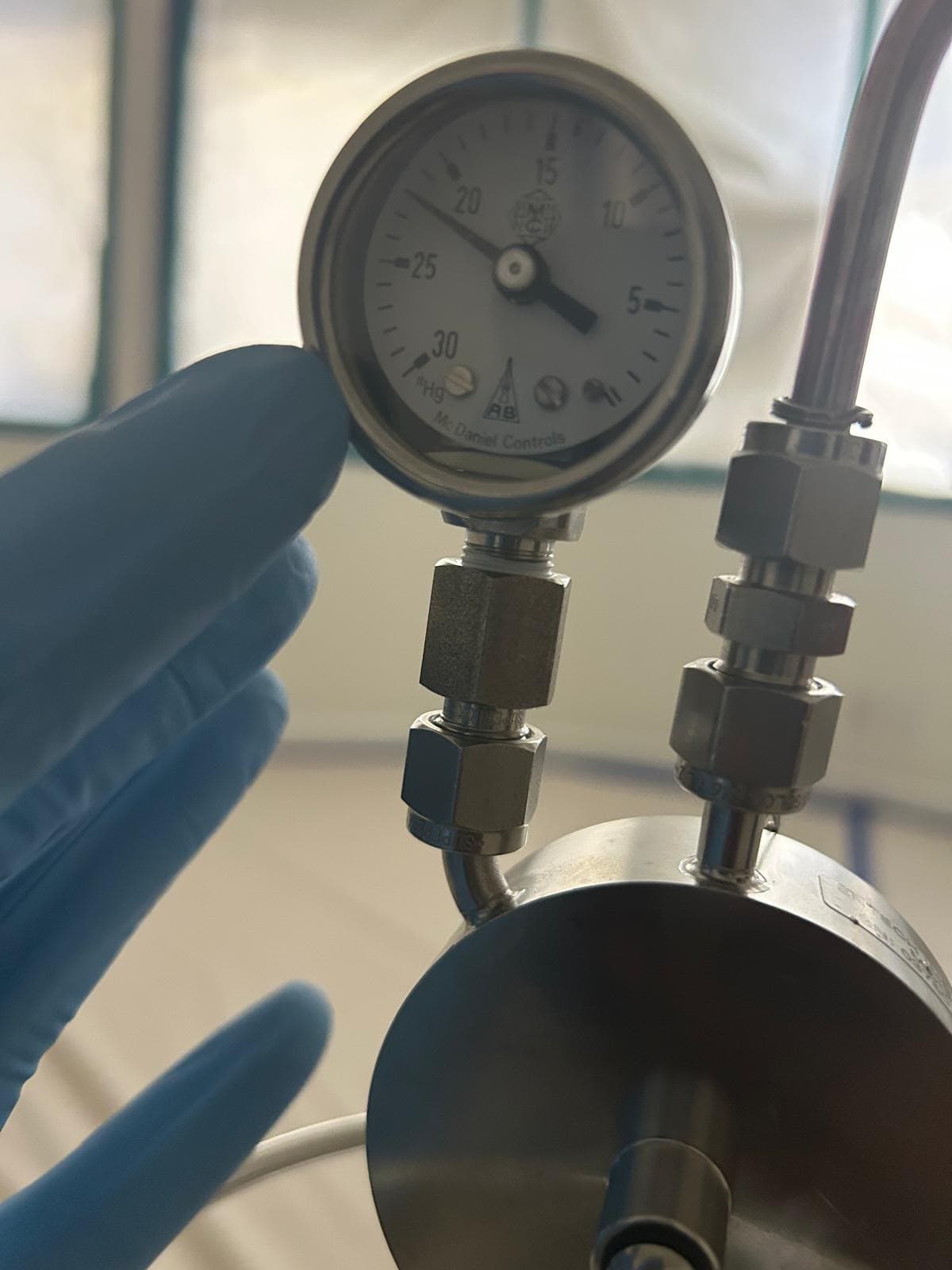
VOC Testing
Measure volatile organic compounds off-gassing from finishes, furnishings, and stored chemicals.
Volatile organic compounds — VOCs — are gases released by paints, adhesives, new flooring and cabinetry, furnishings, cleaning products, and stored fuels or solvents. That "new house smell" is VOC off-gassing, and at elevated levels these compounds cause headaches, dizziness, and respiratory irritation; some, like formaldehyde and benzene, are recognized carcinogens.
We measure what's actually in your air with laboratory-grade sampling, identify the specific compounds present, and — critically — trace them to their sources. The result is a clear picture of your exposure and a practical plan to reduce it, whether that means targeted ventilation, source removal, or simply confirmation that levels are already normal.
Why this testing matters
New construction & remodels
Fresh paint, adhesives, cabinetry, and flooring off-gas most intensively in their first months. Testing tells you whether levels in your new space are acceptable.
Unexplained symptoms
Headaches, dizziness, and irritation that ease when you leave the building point toward chemical exposure worth quantifying.
Carcinogenic compounds
Formaldehyde, benzene, and several other common VOCs are carcinogens — long-term exposure at elevated levels is a genuine health concern.
Odor investigations
Persistent chemical or solvent odors have a source. Compound-specific analysis identifies what you're smelling and where it's coming from.
Sensitive occupants
Infants, pregnant women, and chemically sensitive individuals benefit most from confirming a space's air is chemically clean.
Beyond ventilation guesswork
Opening windows dilutes VOCs but doesn't remove sources. Testing identifies what to remove or seal so the fix is permanent.
What's included
- Air sampling with laboratory-grade media
- TVOC screening and compound-specific analysis
- Formaldehyde testing where indicated
- Source-identification walkthrough
- Comparison against health-based guidelines
- Written report with mitigation recommendations
Our process
- 1
Exposure interview
Recent renovations, new furnishings, odors, symptoms, and storage areas guide the sampling strategy.
- 2
Air sampling
Samples are collected in occupied spaces using laboratory-grade media and documented field conditions.
- 3
Laboratory analysis
An accredited lab quantifies total VOCs and identifies individual compounds against health-based guidelines.
- 4
Source control plan
Your report links detected compounds to their likely sources and lays out mitigation in practical order — removal, sealing, ventilation, and re-testing where warranted.
Frequently asked questions
We just moved into a newly built home — should we test?
It's the single most common VOC scenario. New materials off-gas heavily for the first weeks to months; testing confirms whether your levels are within guidelines or worth active mitigation while the home is at its newest.
Can you test for a specific chemical?
Yes. Beyond total-VOC screening, compound-specific analysis can target formaldehyde, benzene, and other individual compounds when the situation calls for it.
How do I reduce VOCs if levels are high?
Source control beats dilution: removing or sealing the offending material, increasing fresh-air ventilation during peak off-gassing, and re-testing to confirm improvement. Your report prioritizes the steps for your specific findings.