Mold Inspection & Testing
Find hidden mold and moisture before it affects your health, structure, and property value.
Mold needs only moisture and a food source — and Southern California buildings offer plenty of both after plumbing leaks, roof failures, or marine-layer condensation. It spreads inside wall cavities, under flooring, and through HVAC systems long before anyone sees or smells it, degrading air quality and building materials as it grows.
Our inspections combine a trained visual survey with moisture mapping, then confirm what's actually in your air and on your surfaces through laboratory-analyzed sampling. Because we perform no remediation ourselves, our findings are independent — you get an honest picture of the problem and a clear path to fixing it.
Why this testing matters
Hidden growth
Mold colonizes wall cavities, subfloors, attics, and duct systems where visual inspection alone can't reach — sampling reveals what's really in your air.
Health effects
Mold exposure triggers allergic reactions, asthma flare-ups, and respiratory irritation; some species produce mycotoxins with more serious effects.
Moisture is the root cause
Testing without finding the moisture source is half an answer. Our inspections map moisture so remediation actually sticks.
Insurance documentation
Water-loss claims move faster with independent, lab-backed documentation of contamination and its extent.
Real estate transactions
Musty odors and stains raise questions during escrow — testing replaces speculation with data.
Post-remediation verification
After cleanup, clearance sampling verifies the work succeeded before walls are closed and the space is reoccupied.
What's included
- Visual inspection of all accessible high-risk areas
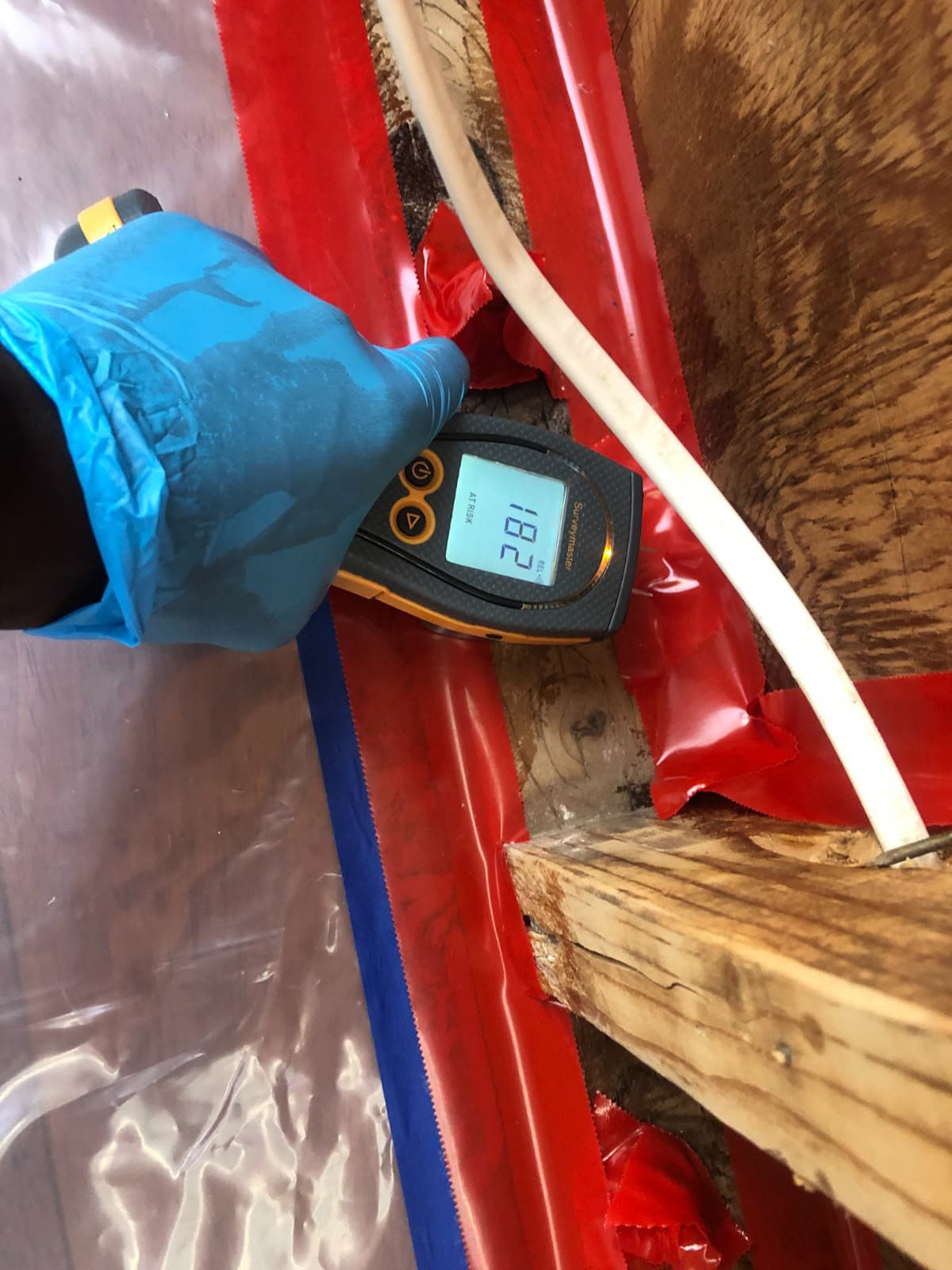
- Moisture meter readings and moisture mapping
- Air sampling with outdoor baseline comparison
- Surface sampling of suspect growth
- Accredited laboratory analysis with species identification
- Written report with remediation recommendations
- Post-remediation clearance testing available
Our process
- 1
Consultation & inspection
We start with your history — leaks, odors, symptoms — then inspect the property, using moisture meters to trace water intrusion to its source.
- 2
Air & surface sampling
Spore-trap air samples (with an outdoor control) and targeted surface samples document what's present and how concentrated it is.
- 3
Laboratory analysis
An accredited lab identifies species and concentrations, distinguishing normal background levels from genuine contamination.
- 4
Report & path forward
Your report explains the findings in plain language: where the problem is, what's causing it, and exactly what remediation — if any — is warranted.
Frequently asked questions
I can smell something musty but see nothing — is testing worth it?
Yes — that's the classic hidden-mold scenario. Air sampling compares indoor spore levels against an outdoor baseline and detects concealed growth inside walls or ducts.
Do you do mold removal too?
No, and that's deliberate. As an independent testing firm we have no incentive to exaggerate findings — our reports are trusted precisely because we don't sell the cleanup.
Is all mold dangerous?
No — mold spores are a normal part of outdoor and indoor air. What matters is elevated indoor concentrations and the species present, which is exactly what laboratory analysis determines.
What about testing after remediation?
We provide post-remediation verification: air and surface sampling that confirms spore levels have returned to normal before you close walls and move back in.