Asbestos Testing
Identify asbestos-containing materials before renovation, demolition, sale, or after damage — DOSH-certified consultancy.
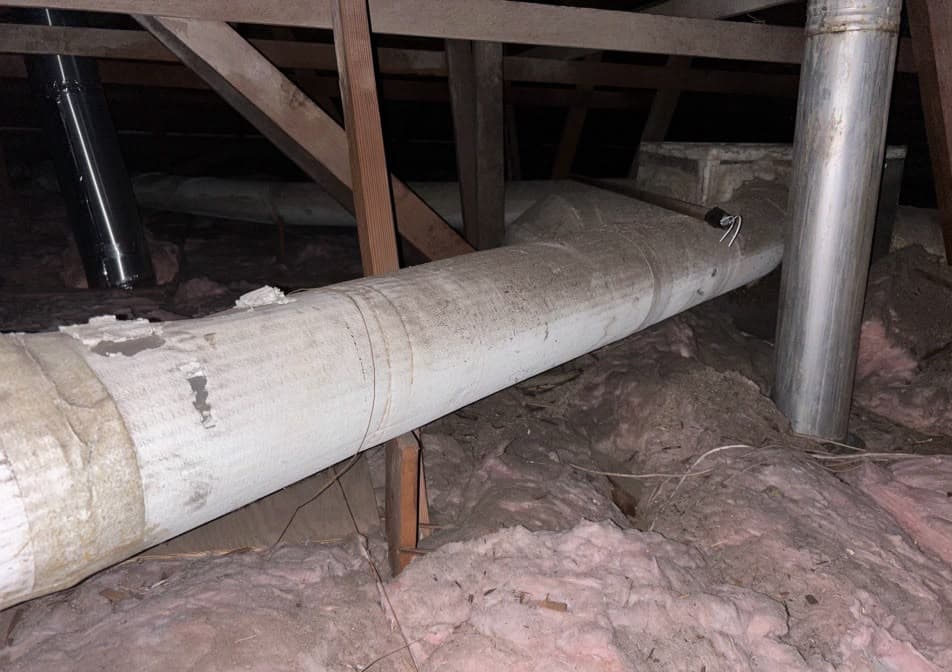
Asbestos was used in thousands of building products — flooring, drywall joint compound, acoustic ceilings, stucco, roofing, and pipe insulation — well into the 1980s. Left undisturbed it is often manageable, but renovation, demolition, water damage, or simple aging can release microscopic fibres that cause mesothelioma, asbestosis, and lung cancer decades after exposure.
Home Environmental Quality Engineering is a DOSH-certified asbestos consultancy. We survey your property, collect bulk samples following regulatory protocols, and have them analyzed by an accredited laboratory — then give you a clear written report that tells you exactly what was found, where it is, and what to do next.
Why this testing matters
Required before renovation or demolition
South Coast AQMD Rule 1403 and Cal/OSHA regulations require an asbestos survey before most renovation and demolition work — contractors will ask for it before they touch the structure.
No safe level of exposure
There is no known safe level of asbestos exposure. Disturbing asbestos-containing materials without knowing it puts your family or crew at serious risk.
Escrow and disclosure
Documented testing protects buyers and sellers in real estate transactions and prevents costly surprises mid-escrow.
Post-damage assessment
After fire, flooding, or earthquake damage, disturbed materials should be tested before cleanup crews begin work.
Independent, unbiased results
We are a testing and consulting firm — we don't sell remediation, so our findings are never inflated to sell you abatement work.
Defensible documentation
Our reports meet regulatory requirements and stand up to scrutiny from contractors, agencies, insurers, and attorneys.
What's included
- Site walkthrough by a certified consultant
- Visual survey of all suspect materials
- Bulk sample collection per AHERA protocols
- Accredited laboratory analysis (PLM, with TEM available)
- Material-by-material findings table
- Clear guidance on next steps and abatement scope
- Written report suitable for permits, escrow, and insurance
Our process
- 1
Consultation & site assessment
We discuss your project — renovation, demolition, escrow, or damage response — then walk the property and identify every suspect material relevant to your scope of work.
- 2
Sample collection
Bulk samples are collected carefully and safely following regulatory protocols, with clear chain-of-custody documentation for the laboratory.
- 3
Accredited lab analysis
Samples are analyzed at an accredited laboratory. Rush turnaround is available when your project is on a deadline.
- 4
Report & guidance
You receive a written report identifying which materials contain asbestos, their condition and location, and practical guidance — whether that's leaving material in place, or scoping abatement before work begins.
Frequently asked questions
My home was built after 1980 — can I skip testing?
Not necessarily. Asbestos-containing materials were legally installed in some products into the late 1980s, and regulators require surveys based on the work being done, not just the building's age. A quick survey settles it definitively.
Do I need a survey for a small remodel?
If the work disturbs drywall, flooring, stucco, or ceiling materials, most likely yes — SCAQMD Rule 1403 applies to renovation work broadly, and contractors commonly require the survey before starting.
How fast can I get results?
Standard laboratory turnaround is a few business days, and rush options are available when your project can't wait. Tell us your deadline and we'll work to it.
What if you find asbestos?
Finding it is not an emergency — undisturbed material is often managed in place. Your report will spell out which materials are affected so a licensed abatement contractor can quote exactly the right scope, nothing more.
Are you affiliated with an abatement company?
No. We are an independent consultancy, so our only interest is accurate results — we never profit from the remediation work our findings might trigger.