Lead-Based Paint Testing
XRF testing of painted surfaces to detect lead-based paint — CDPH-certified inspection for pre-1978 properties.
Lead-based paint was banned for residential use in 1978, but it remains on the walls, trim, windows, and exteriors of millions of California homes. As it ages, chips, or gets sanded during renovation, it releases lead dust — and even tiny amounts are hazardous, especially to children under six and pregnant women.
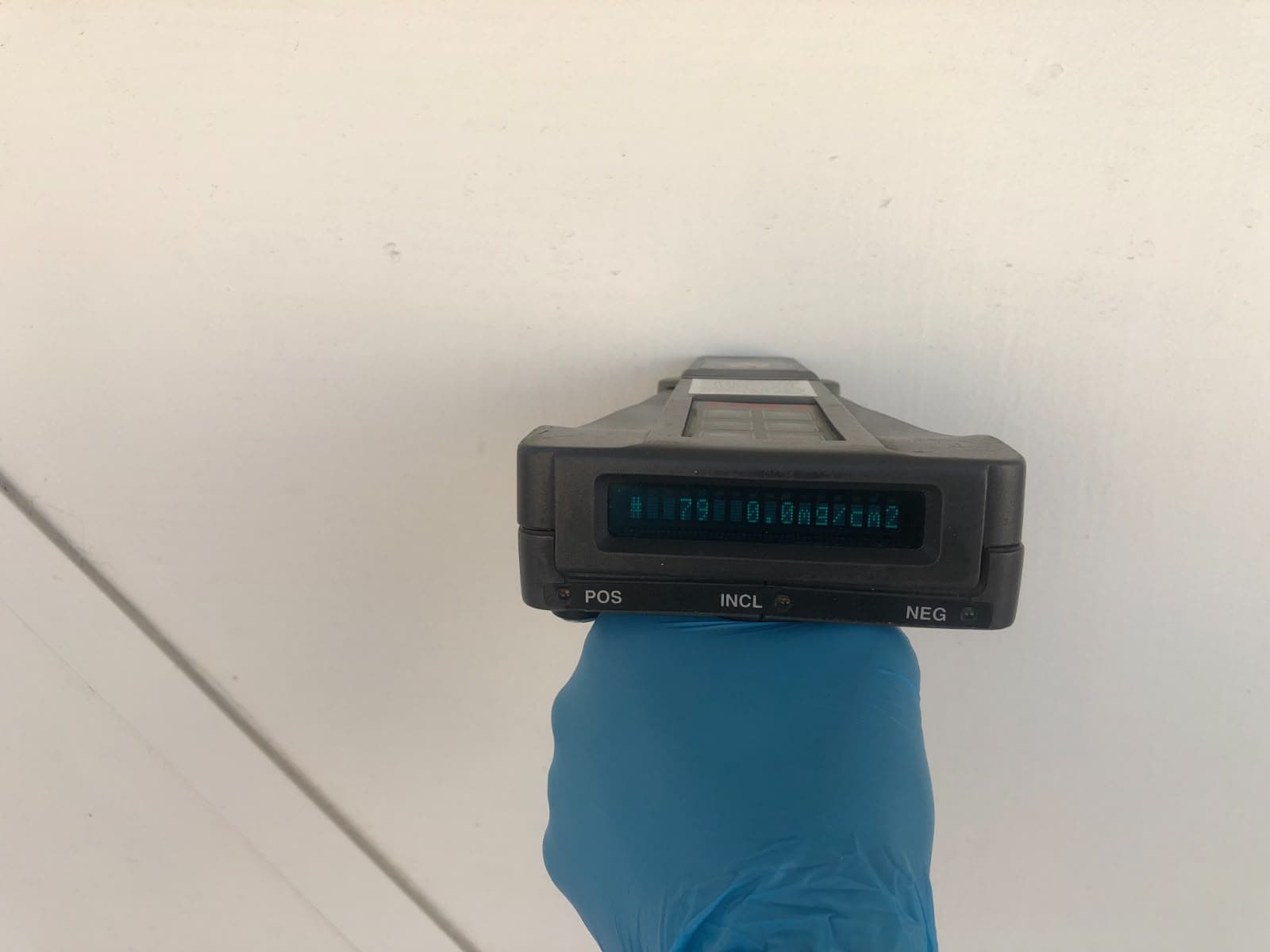
Our CDPH-certified inspectors test painted surfaces on site using XRF (X-ray fluorescence) technology — instant, non-destructive readings straight through the paint layers — supplemented by laboratory paint-chip analysis where needed. You get a definitive, surface-by-surface picture of where lead paint is and what condition it's in.
Why this testing matters
Pre-1978 homes
The older the home, the more likely lead paint is present — a majority of pre-1960 California homes contain it somewhere.
Children's health
There is no safe blood lead level in children. Exposure causes irreversible neurological and developmental harm.
Renovation compliance
The EPA RRP rule requires lead-safe work practices when renovation disturbs painted surfaces in pre-1978 homes — testing determines whether it applies.
Landlord liability
Rental owners face significant liability for undisclosed lead hazards. Documented testing is your strongest protection.
HUD & FHA transactions
Many federally backed transactions and housing programs require lead inspections or risk assessments by certified personnel.
Non-destructive & fast
XRF testing reads through intact paint in seconds — no cutting, no damage, results on the spot.
What's included
- CDPH-certified inspector on site
- XRF readings of representative painted surfaces
- Paint-chip laboratory sampling where XRF is inconclusive
- Condition assessment of deteriorating paint
- Surface-by-surface results table
- Written report compliant with CDPH requirements
Our process
- 1
Scope the inspection
We establish what you need — a full inspection, a renovation-driven test of affected surfaces, or documentation for a transaction or rental portfolio.
- 2
On-site XRF testing
Every representative painted surface in scope is tested with a calibrated XRF analyzer, room by room, inside and out.
- 3
Lab confirmation where needed
Inconclusive readings are resolved with paint-chip samples analyzed by an accredited laboratory.
- 4
Report & recommendations
Your CDPH-compliant report identifies each lead-positive surface and its condition, with guidance on stabilization, lead-safe renovation, or abatement as appropriate.
Frequently asked questions
What's the difference between an inspection and a risk assessment?
An inspection identifies where lead-based paint is present. A risk assessment goes further, evaluating hazards — deteriorating paint, contaminated dust and soil — and recommending controls. We'll help you determine which your situation requires.
Is XRF testing safe and accurate?
Yes. XRF analyzers are the industry standard for lead paint inspection — non-destructive, safe when operated by certified personnel, and definitive for the overwhelming majority of surfaces.
I'm just repainting — do I need this?
If your home is pre-1978 and prep work involves sanding, scraping, or cutting into painted surfaces, testing first tells you whether EPA RRP lead-safe practices apply — often saving money if surfaces test negative.
What happens if lead paint is found?
Intact lead paint can often be managed in place. Your report will identify which surfaces need stabilization, enclosure, or abatement, so you only pay for the work that's genuinely needed.